For many toddlers, a name is a powerful signal. It means: you. It means: we’re connected. And when bedtime is a little wobbly—clingy, resistant, emotional—small connection signals can help a lot.
But there’s a catch: the same thing that captures attention can also increase energy. If using a child’s name becomes a “big moment,” it can make bedtime feel like a show. The goal is the opposite: calm, warmth, safety. So the best approach is gentle personalization—small, quiet, and repeatable.
Does using a child’s name actually help?
Often, yes. Not because a name is a magic trick—but because it creates relational attention. Toddlers are wired to tune in to cues that feel personal. A name is one of the simplest cues we have.
In a bedtime story, a name can help with:
- Engagement: a toddler stays with the story a little longer
- Closeness: the story feels like a shared space
- Safety: familiarity reduces the need to scan for surprises
The calm way to use a name (three simple rules)
Rule 1: Use it sparingly
In a bedtime story, more name-use is not better. Overuse becomes stimulating. Try this:
- Use the name 1–3 times total in a short story
- Place it early (to hook) and near the end (to land)
- Keep the rest of the story slow and neutral
Rule 2: Keep it indirect (transfer works)
If your toddler is sensitive or easily activated, indirect personalization is often best. Instead of “your child is the hero,” try:
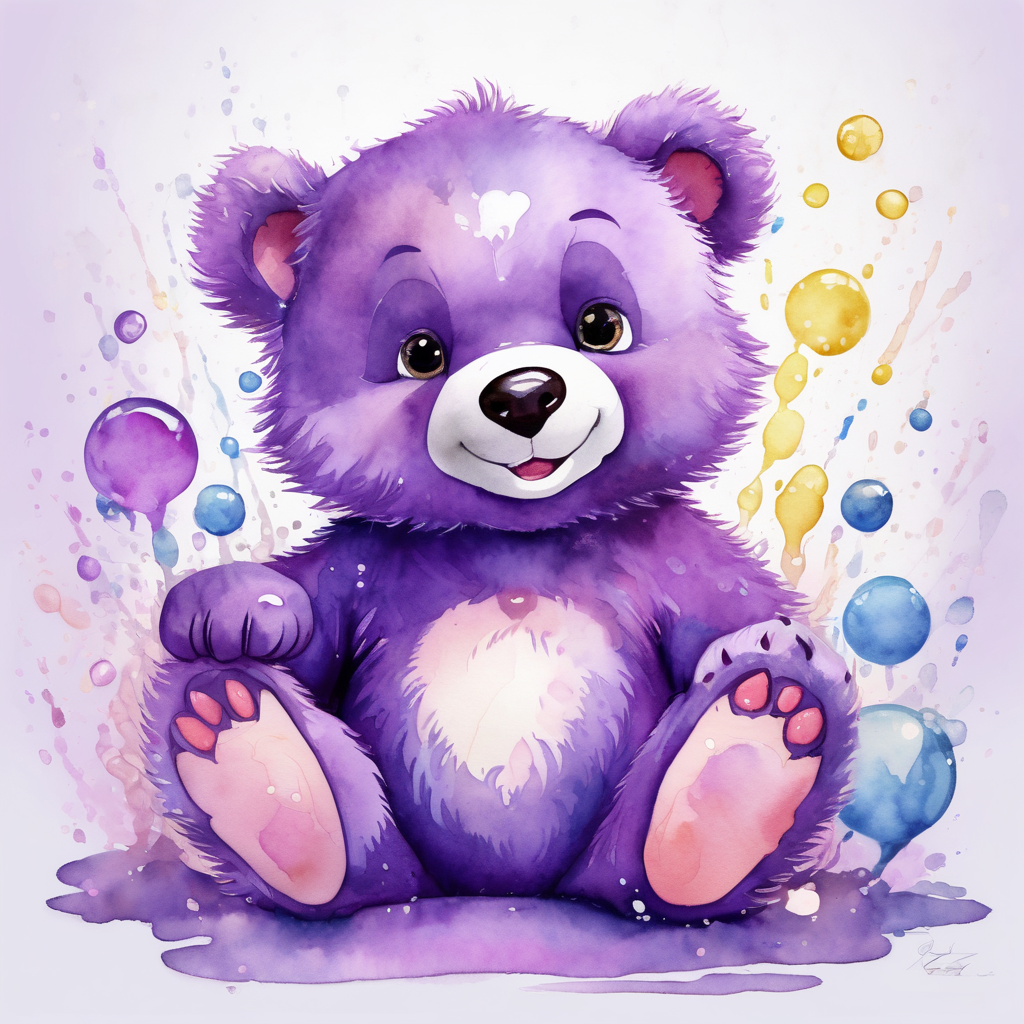
- a bear cub named Tommy
- a bunny named Mia
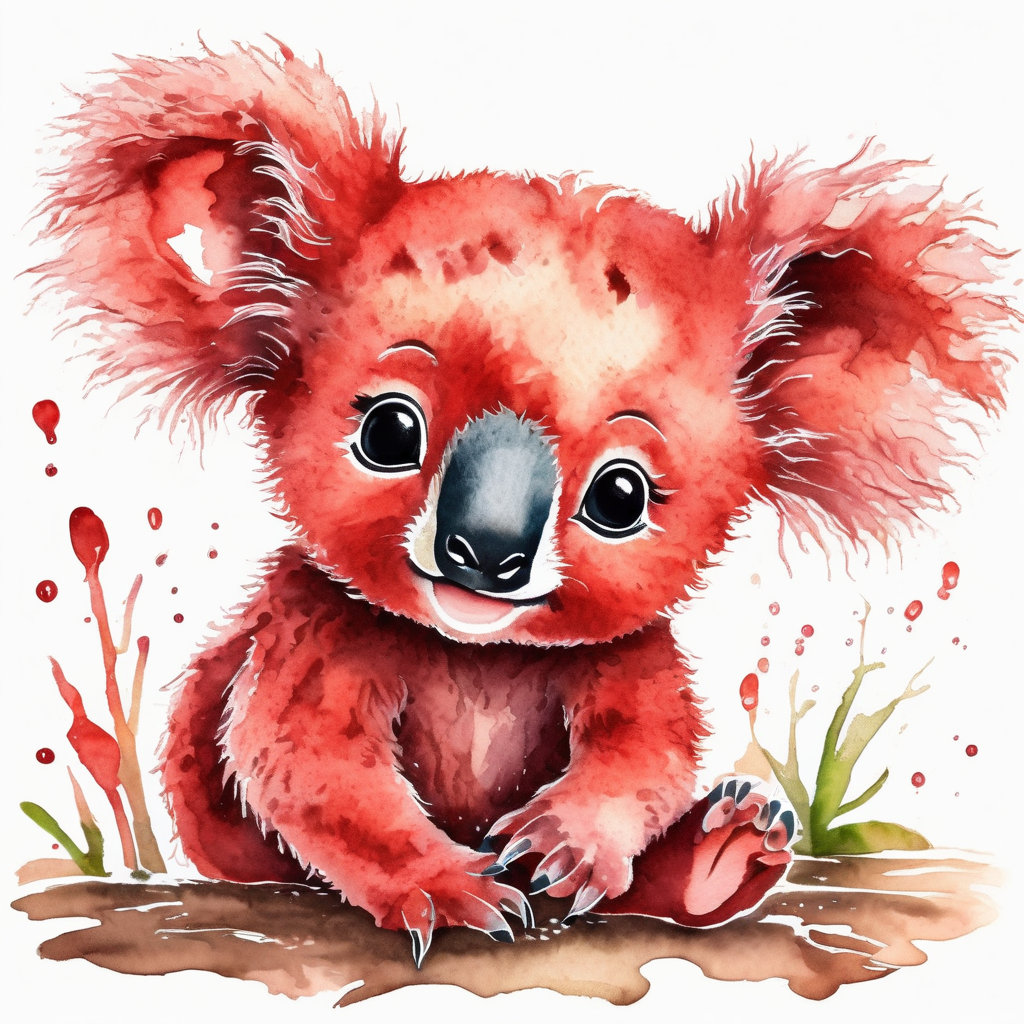
- a little koala named Leo
That way, your toddler gets the warm recognition of the name—without the pressure of being the center of attention.
Rule 3: Pair the name with calm sensory language
Names capture attention. Sensory language guides the nervous system. Use warm, slow words around the name:
- soft, warm, dim, quiet, cozy, slow
- heavy eyelids, gentle light, calm breathing
The combination tells the brain: “Yes, this is about us—and it’s safe to relax.”
A simple formula you can reuse
If you want a reliable structure that stays bedtime-friendly, try this formula:
- Anchor: one safe character (small animal) + one cozy object
- Name moment: the character is named once
- Tiny plot: one small challenge (waiting, calming down, missing someone)
- One coping step: breath, hug, checking the room, comfort phrase
- Soft landing: predictable ending in warmth and rest
Example (short and gentle)
“A little bunny named Mia held a warm blanket and listened to the quiet room. The light was dim and kind. Mia’s tummy felt wiggly, so she took one slow breath—then another. ‘Safe, warm, and here,’ she whispered. The blanket felt like a hug. Mia checked the corner—nothing loud, nothing scary—then padded back to bed. The night stayed soft, and Mia’s eyes grew heavy.”
When name-stories might not help (and what to do instead)
Some toddlers get energized by anything that feels special. If using a name makes your child giggly or wired, try one of these adjustments:
- Use a nickname or a gentle “story name” instead of the real name
- Use the name once at the start, then not again
- Switch to a familiar object as the personalization anchor (blanket, plushie)
- Shorten the story so it’s easier to land
Why this also helps with feelings
Name-based personalization pairs beautifully with “transfer” emotion work. If your toddler struggles with fear, worry, jealousy, or separation anxiety, you can create a story where a safe character with a familiar name faces the feeling gently. The child can process the emotion at a safe distance—without feeling exposed or analyzed.
Quick FAQ
Do I have to use my child’s real name?
No. Many families prefer a story-name or a nickname. Familiarity matters more than accuracy.
What age does this work best?
It can help at many ages, but it’s especially useful for toddlers who crave connection and predictability at bedtime.
Will this replace a bedtime routine?
It works best as part of a steady routine: a calm transition, a short story, and the same soft ending.