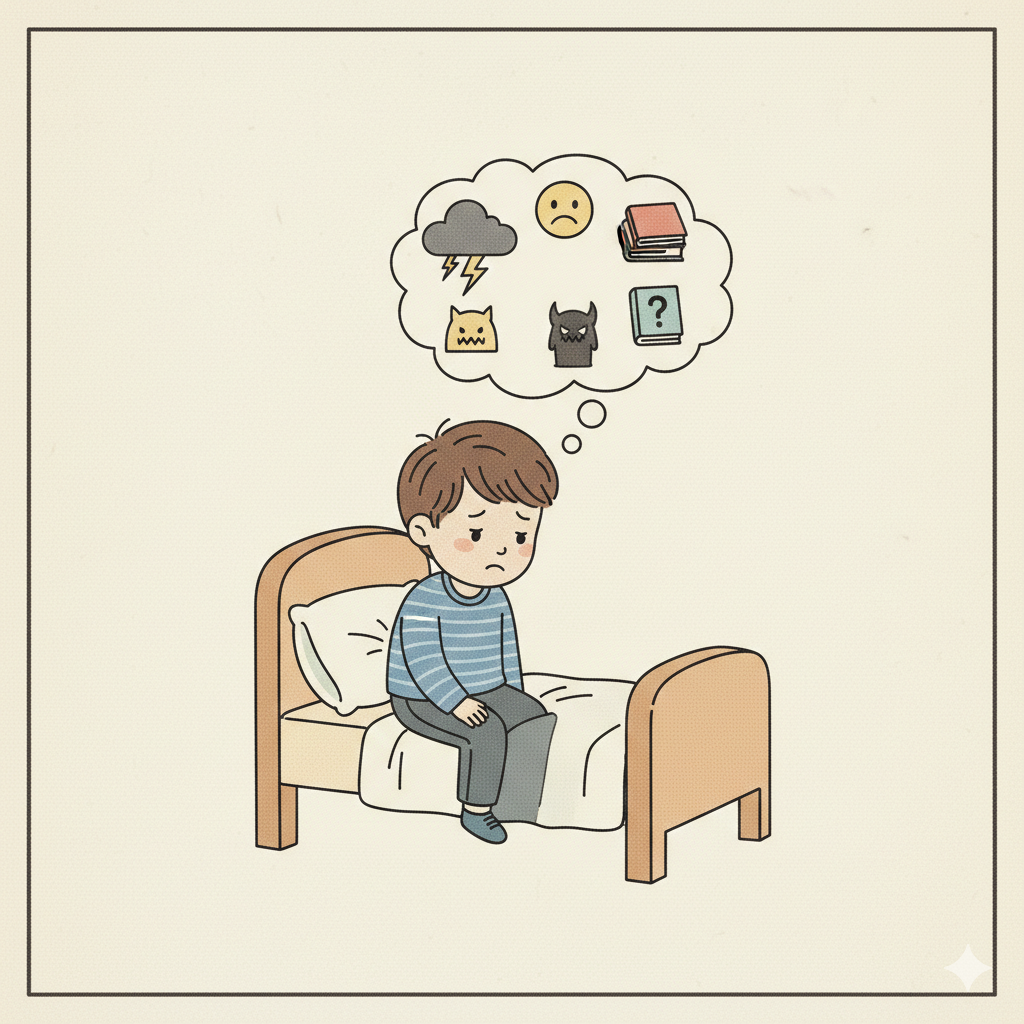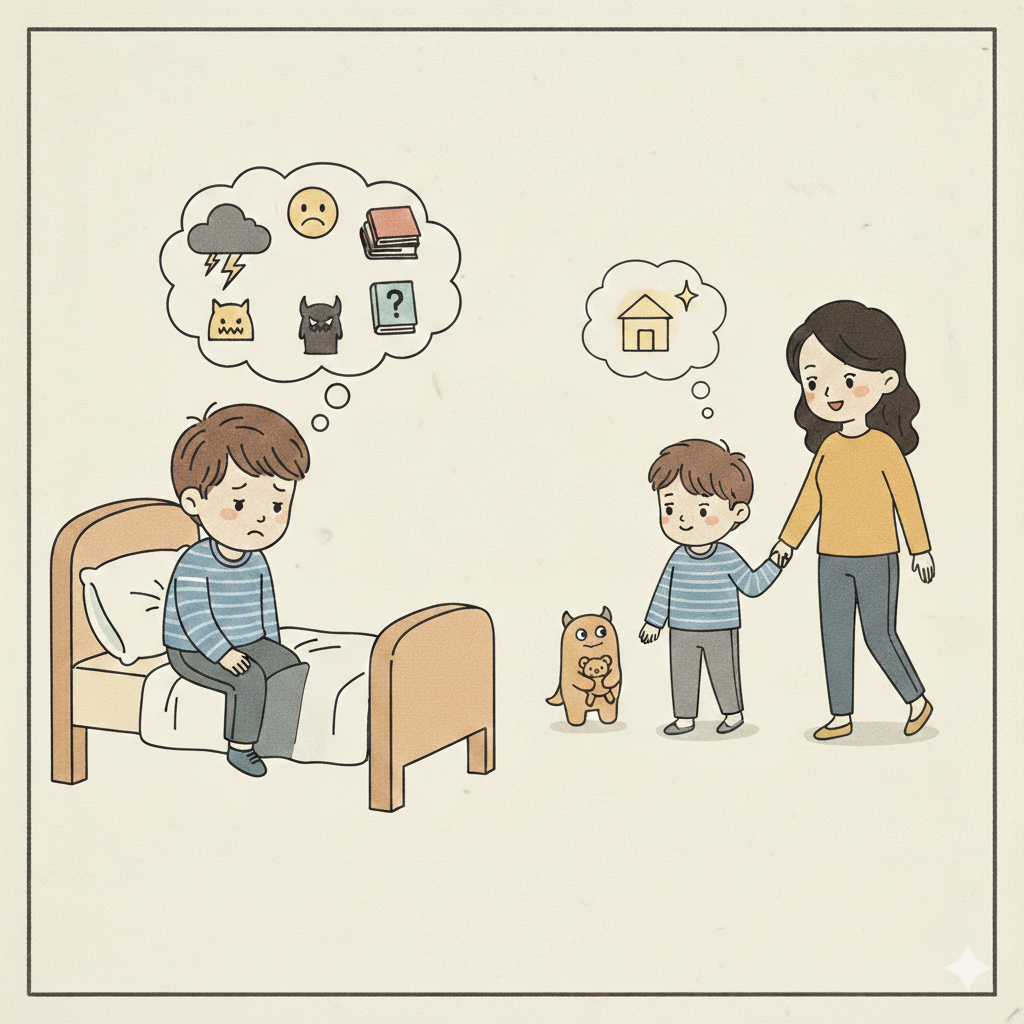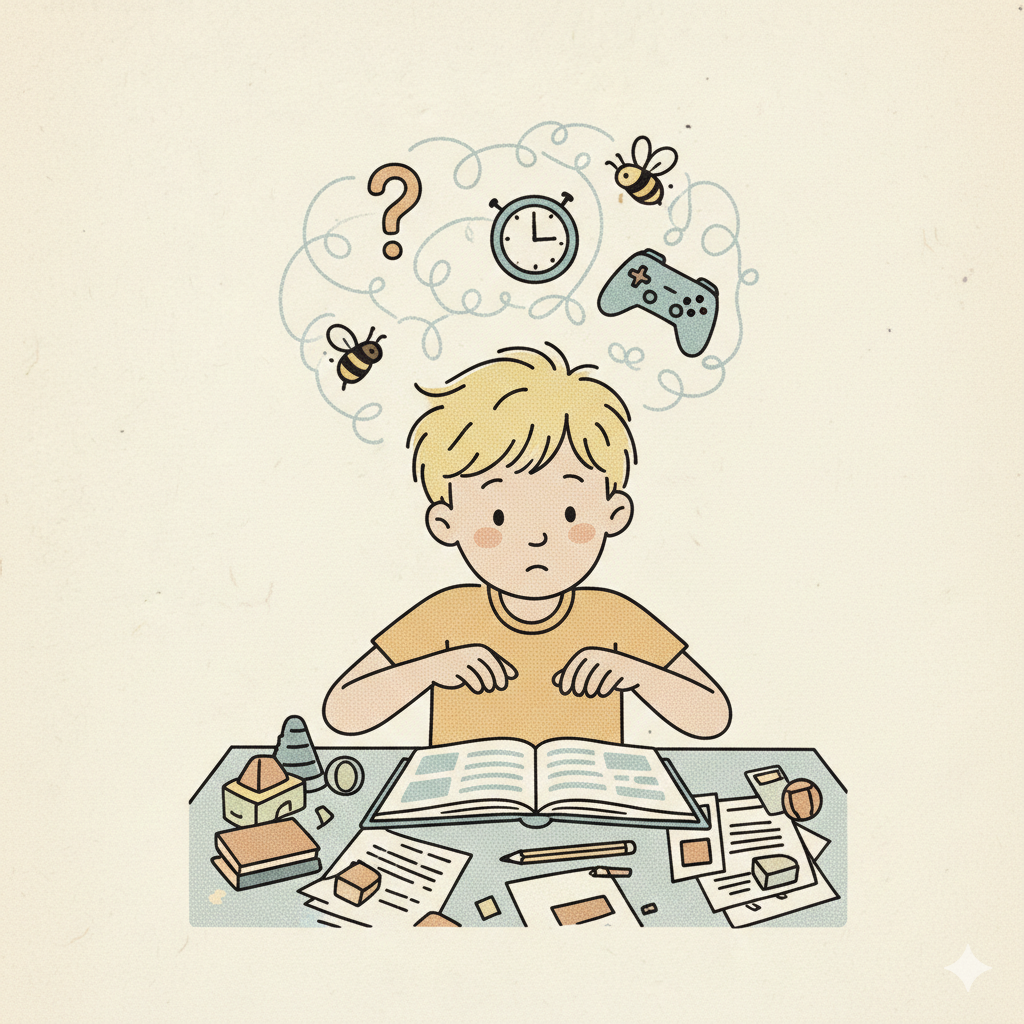
A small, growing library of gentle notes for parents, caregivers, and educators—focused on bedtime, big feelings, and quiet routines. These are general ideas (not medical advice); for persistent concerns, a pediatric professional is your best guide.
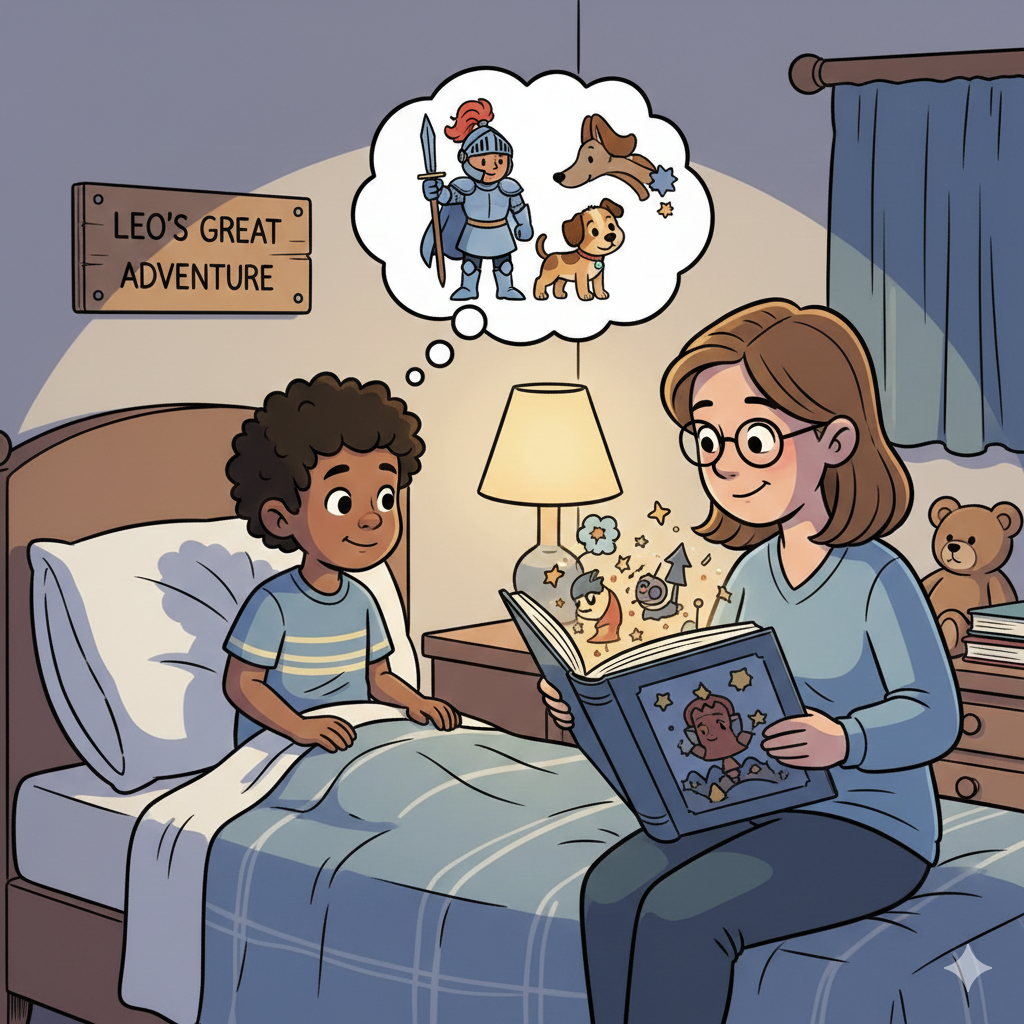
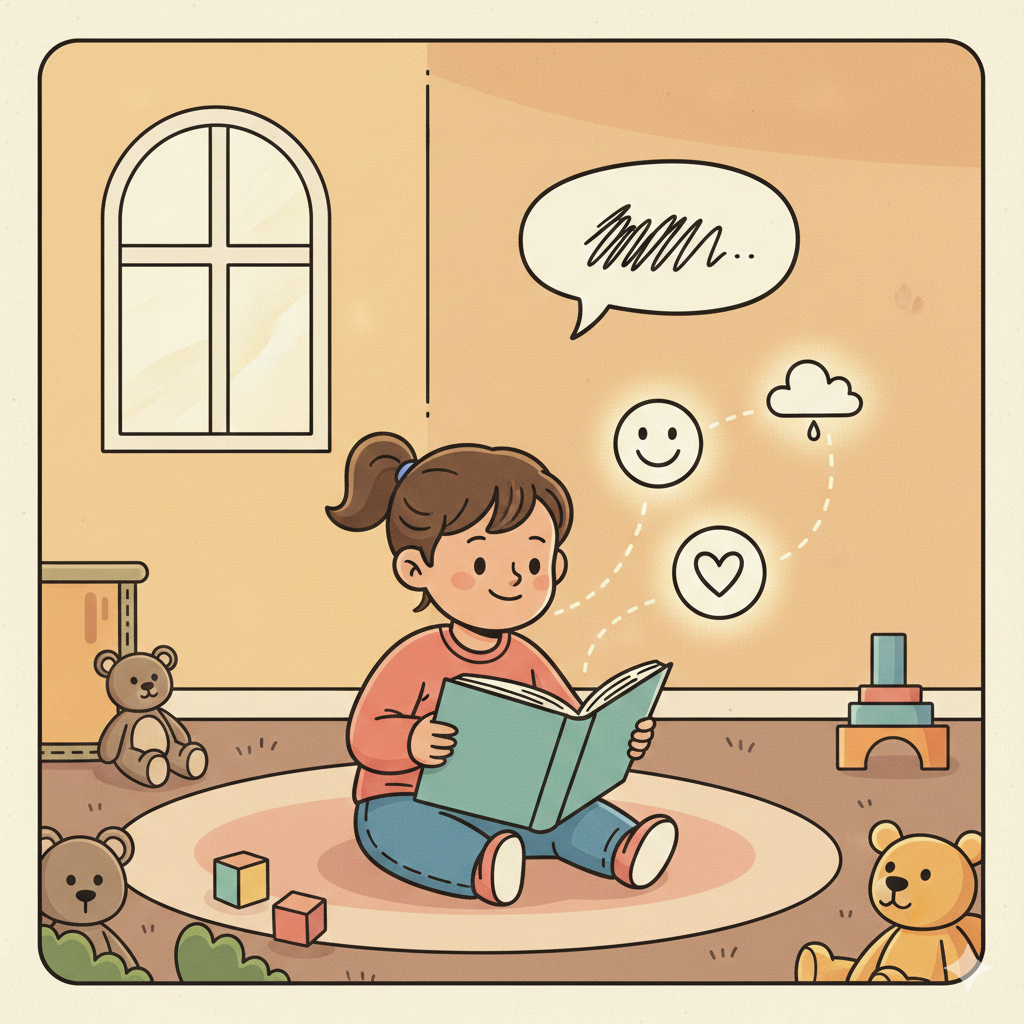
Cover image for: Social-Emotional Learning Activities for Toddlers
Social-Emotional Learning Activities for Toddlers
Gentle SEL activities for toddlers—simple ways to practice feelings, empathy, repair, and calming skills at home. Plus a few quiet stories to read together.
Read
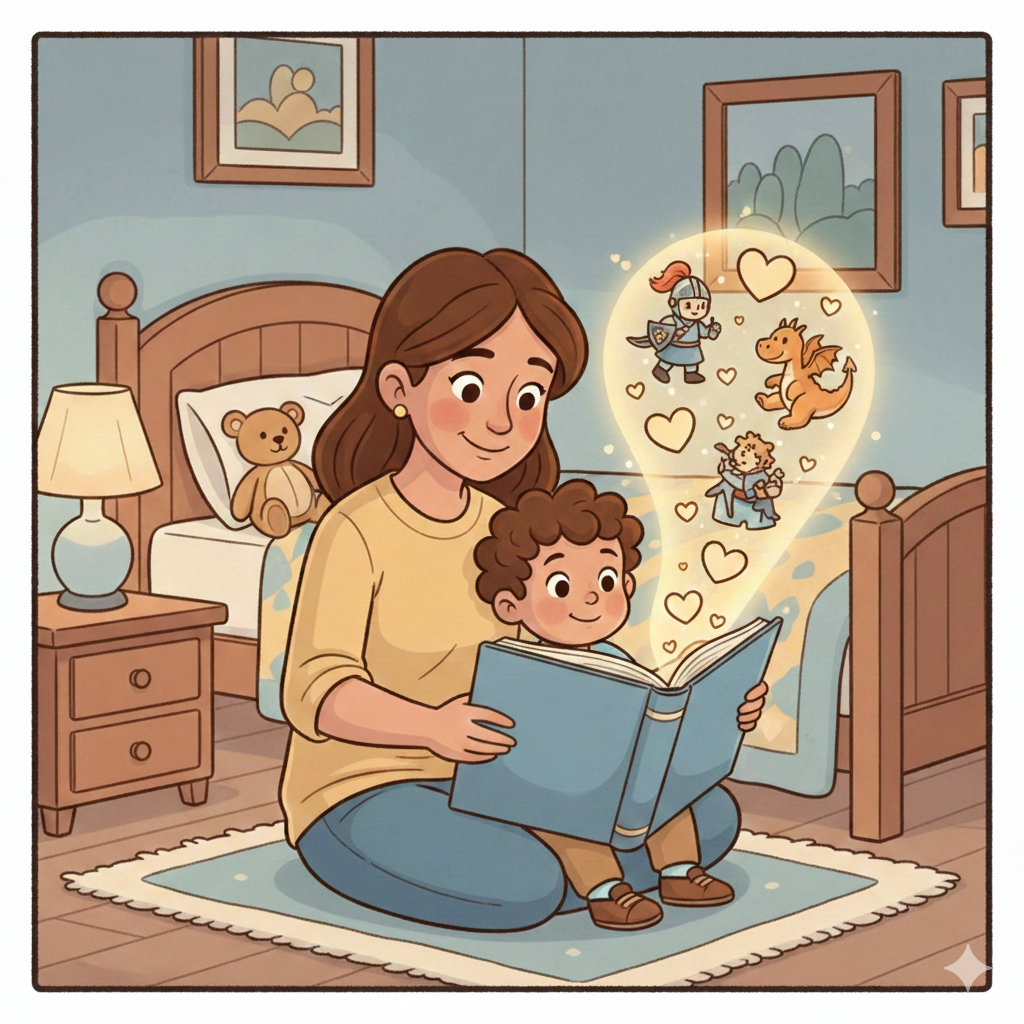
Cover image for: Personalized Bedtime Stories: Why Kids Pay More Attention (and How to Do It Simply)
Personalized Bedtime Stories: Why Kids Pay More Attention (and How to Do It Simply)
Personalized bedtime stories can help toddlers listen longer and connect more deeply—without making bedtime “exciting.” Here’s why it works and a simple way to do it.
Read
Cover image for: 5-Minute Bonding Activities
5-Minute Bonding Activities
Short on time and patience? These 5-minute bonding activities help you reconnect with your toddler—especially at transitions like after daycare, before nap, and bedtime.
Read
Cover image for: Emotion Words for Toddlers (via stories)
Emotion Words for Toddlers (via stories)
Emotion words help toddlers handle big feelings. Here’s a simple, story-based way to teach feelings vocabulary—without lectures, pressure, or “talking it to death.”
Read
Cover image for: Bedtime Stories With Your Child’s Name: A Gentle Way to Build Connection
Bedtime Stories With Your Child’s Name: A Gentle Way to Build Connection
Using a child’s name in a bedtime story can deepen connection and attention—when it’s done gently. Here’s a calm, low-stimulation way to do it (without turning bedtime into hype).
Read
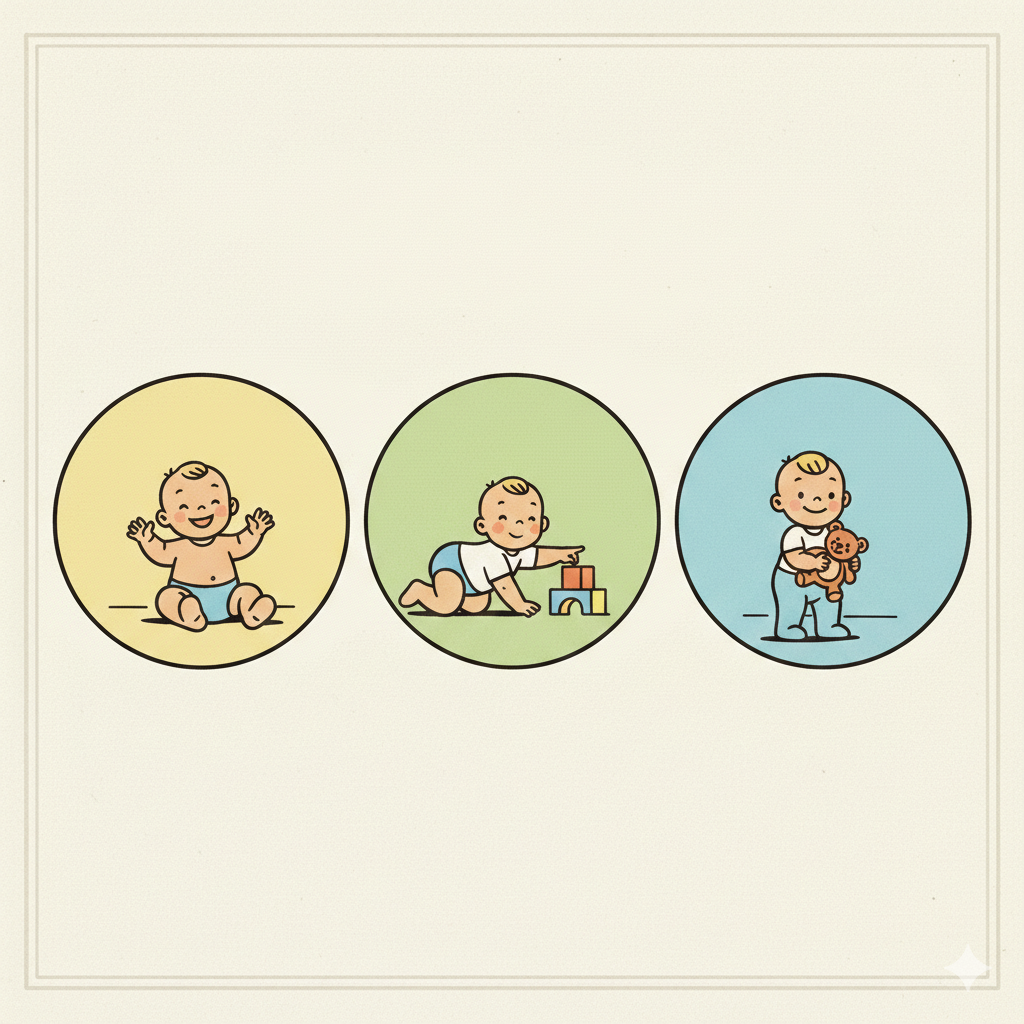
Cover image for: What Age Do Babies Start Talking?
What Age Do Babies Start Talking?
Wondering when babies start talking? Here’s a calm, realistic guide to early speech milestones—from babbling to first words—and what to do if you’re worried.
Read
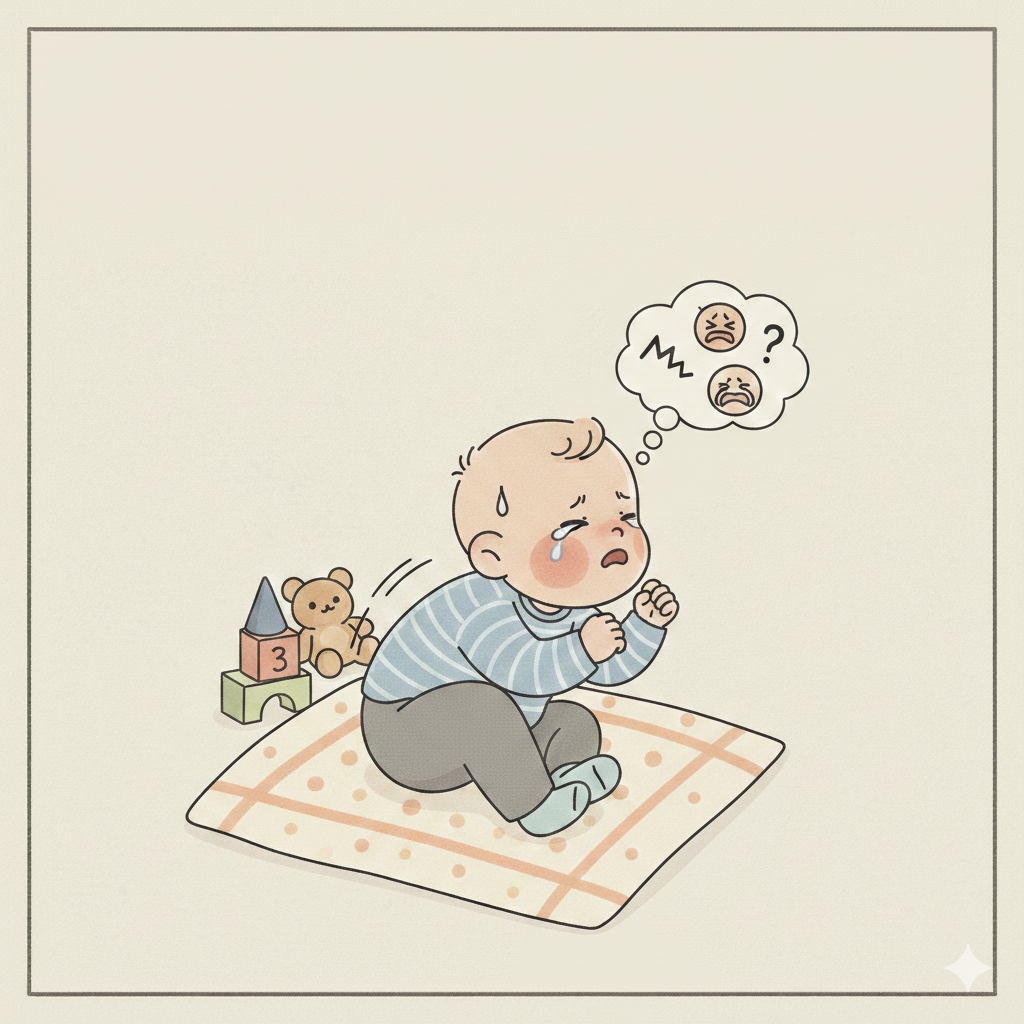
Cover image for: Baby Fussiness: Jerky Movements, Clenched Fists, Turning Away, or Increased Crying
Baby Fussiness: Jerky Movements, Clenched Fists, Turning Away, or Increased Crying
Jerky movements, clenched fists, turning away, or sudden fussiness can be normal baby cues of overstimulation, tiredness, or discomfort. Learn what these signs often mean, what to try, and when to call your pediatrician.
Read
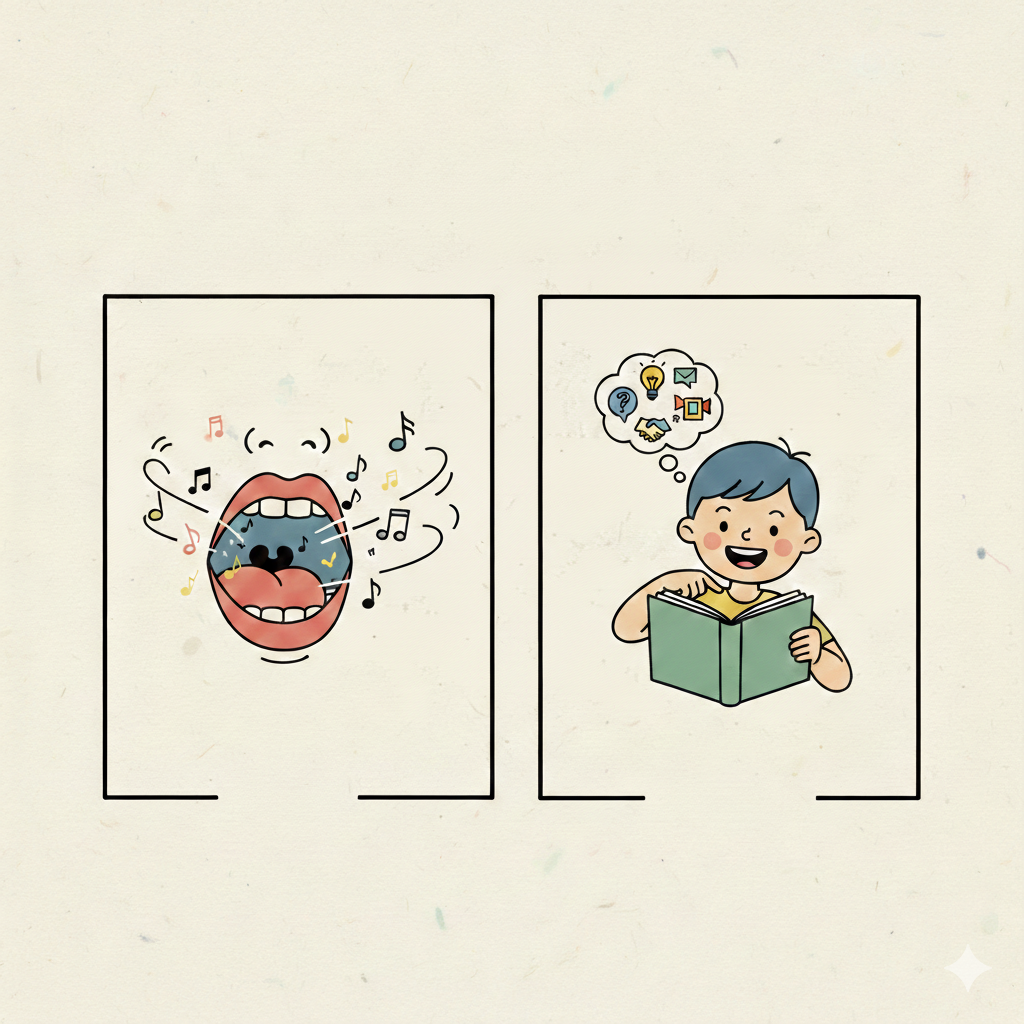
Cover image for: Speech vs Language Development (and stories)
Speech vs Language Development (and stories)
Speech and language aren’t the same. Learn the difference, what each one looks like in toddlers, and when it may be worth asking for support—plus a gentle role for stories.
Read
Cover image for: Reading Aloud to Toddlers (daily habit)
Reading Aloud to Toddlers (daily habit)
Reading aloud to toddlers supports language, emotional regulation, and connection. Here’s a gentle, realistic way to build a daily habit—even if you only have five minutes.
Read
Cover image for: Bedtime Stories for Kids: Choosing Calm Stories
Bedtime Stories for Kids: Choosing Calm Stories
Not all bedtime stories help kids sleep. Learn what makes a story calming (not stimulating), what to avoid at night, and how to choose gentle stories for toddlers and preschoolers.
Read
Cover image for: Short Stories for Kids: Best Length by Age
Short Stories for Kids: Best Length by Age
How long should a short story be for kids? A calm, practical guide by age—from toddlers to preschoolers—so stories stay soothing, not overstimulating.
Read
Cover image for: Story for Kids in English (calming, read-aloud tips)
Story for Kids in English (calming, read-aloud tips)
Looking for a story for kids in English? Here’s how to pick a calm, bedtime-friendly story and read it aloud in a way that soothes (not excites)—especially for toddlers.
Read
Cover image for: Soothing Bedtime Routines: Where Stories Fit
Soothing Bedtime Routines: Where Stories Fit
A soothing bedtime routine doesn’t need to be perfect—just predictable. Learn where stories fit best, how long to read, and how to keep the routine calm for toddlers.
Read
Cover image for: Gentle Bedtime Stories With No Scary Parts: What to Look For (and Story Picks)
Gentle Bedtime Stories With No Scary Parts: What to Look For (and Story Picks)
Looking for gentle bedtime stories with no scary parts? Here’s what makes a story feel safe at night, what to avoid for sensitive kids, and how to choose soothing story picks.
Read
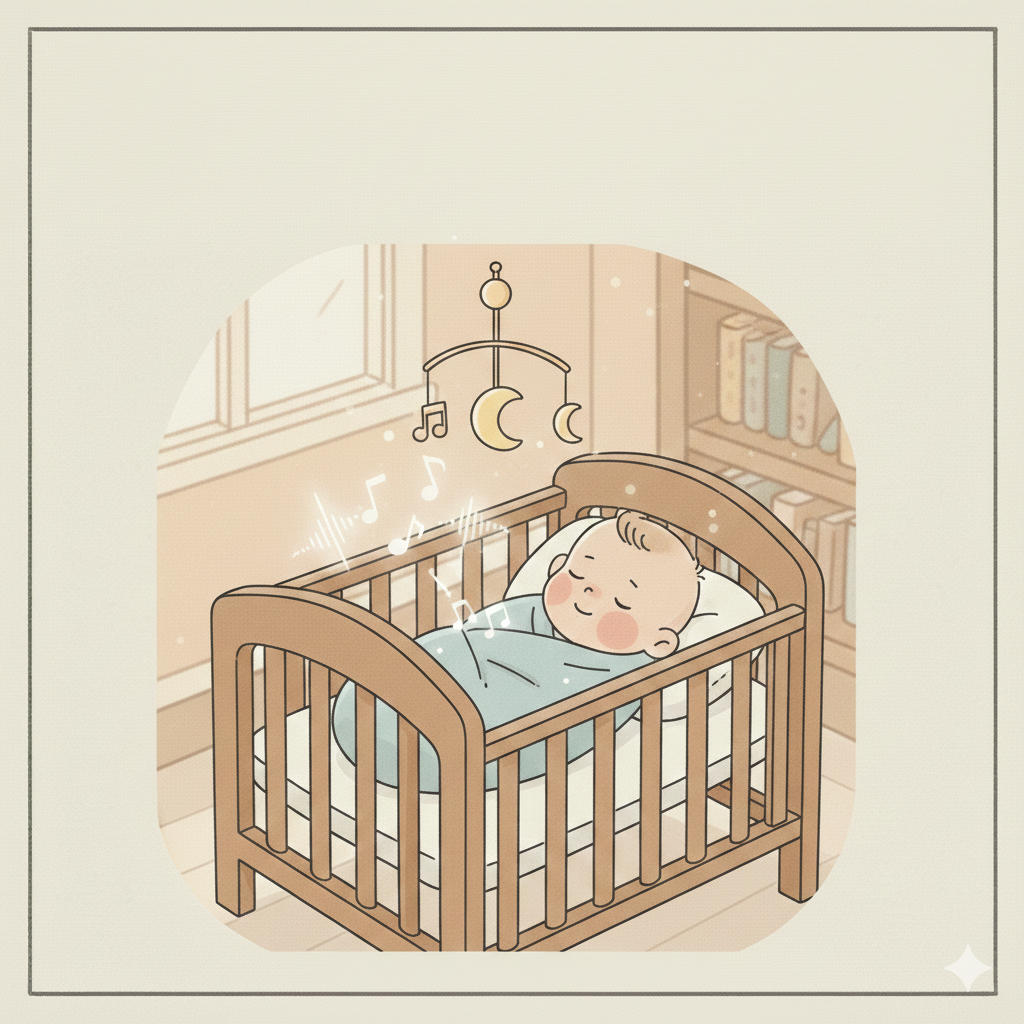
Cover image for: Baby Sleep Music: When It Helps
Baby Sleep Music: When It Helps
Baby sleep music can help some children settle—but it can also become a sleep crutch. Learn when it helps, what to choose, safe volume tips, and how to pair music with calming stories.
Read
Cover image for: Quiet Time Activities for 2–3 Year Olds
Quiet Time Activities for 2–3 Year Olds
Need quiet time activities for 2–3 year olds? Here are calm, low-mess ideas that help toddlers downshift—plus how to make quiet time realistic (even for non-nappers).
Read
Cover image for: Nap Time Activities for Preschoolers
Nap Time Activities for Preschoolers
Need nap time activities for preschoolers? Calm, low-mess ideas for classrooms and homes—plus a gentle plan for kids who won’t nap (without turning rest time into chaos).
Read
Cover image for: Calming Bedtime Stories for Toddlers: What Makes a Story Soothing (Not Exciting)
Calming Bedtime Stories for Toddlers: What Makes a Story Soothing (Not Exciting)
What makes a bedtime story calming for toddlers? Learn the specific ingredients—pace, tone, language, endings, and emotional safety—so stories soothe instead of stimulating.
Read
Cover image for: Baby Tantrum Before Nap: What to Do
Baby Tantrum Before Nap: What to Do
A baby tantrum before nap is often a transition problem: fun → rest. Here’s a gentle plan to reduce meltdowns, calm an overtired child, and make nap time feel safer.
Read
Cover image for: Separation Anxiety at Nap/Bedtime: Gentle Plan
Separation Anxiety at Nap/Bedtime: Gentle Plan
Separation anxiety often spikes at nap and bedtime. Here’s a gentle plan to reduce tears, build trust, and make goodbyes calmer—without sneaking away or creating new battles.
Read
Cover image for: Why is my baby clenching their fists and jerking away?
Why is my baby clenching their fists and jerking away?
If your baby is jerking their limbs or clenching fists, they are likely overtired. Learn the signs of overstimulation and how to soothe them.
Read
Cover image for: What can preschoolers do during nap time if they don't sleep?
What can preschoolers do during nap time if they don't sleep?
When napping stops, quiet time begins. Discover the best independent activities for toddlers and preschoolers to ensure a calm afternoon for everyone.
Read
Cover image for: Why does my baby have a meltdown right before nap time?
Why does my baby have a meltdown right before nap time?
Is your baby screaming before sleep? Learn why overtiredness and transition anxiety cause pre-nap meltdowns and how to create a calmer routine.
Read
Cover image for: How do I transition my toddler from play to sleep without a fight?
How do I transition my toddler from play to sleep without a fight?
End the nap time battles. Learn how to transition your toddler from high-energy play to a calm sleep state using 'bridging' techniques and routine.
Read
Cover image for: How do I handle separation anxiety at nap time?
How do I handle separation anxiety at nap time?
Is your child struggling with separation anxiety during naps? Discover gentle techniques to provide comfort and security while fostering independent sleep.
Read
Cover image for: Why does my toddler wake up so early and how can I help them sleep longer?
Why does my toddler wake up so early and how can I help them sleep longer?
Many toddlers start the day before the sun. Learn why early wake‑ups happen and get evidence‑backed strategies to help your child sleep longer.
Read
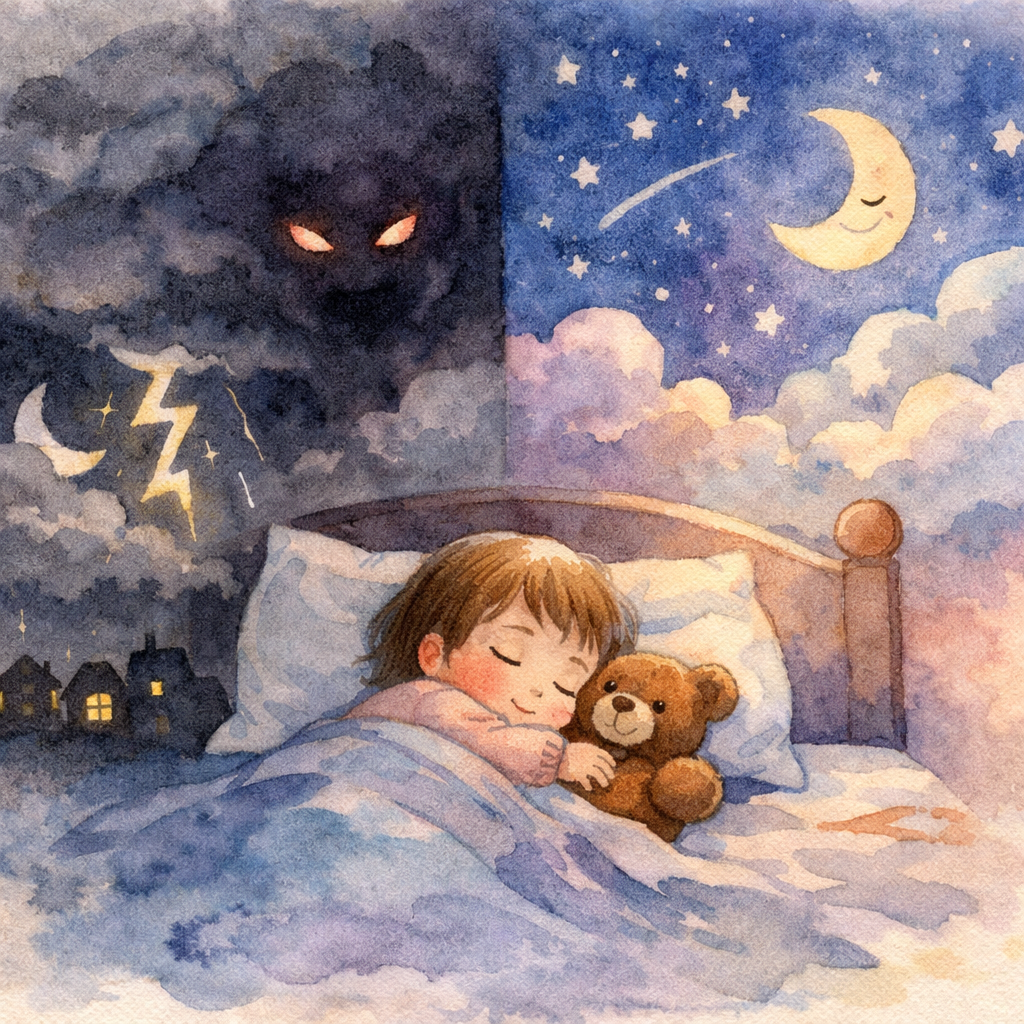
Cover image for: Night terrors vs. nightmares: Why does my toddler scream in their sleep?
Night terrors vs. nightmares: Why does my toddler scream in their sleep?
Toddlers sometimes scream in their sleep, but it isn’t always a nightmare. Learn the signs of night terrors, how they differ from nightmares and what parents can do.
Read
Cover image for: How can I teach my baby to self‑soothe at bedtime?
How can I teach my baby to self‑soothe at bedtime?
Putting your baby to bed drowsy but awake helps them learn to self‑soothe and sleep longer. Discover research‑backed tips for encouraging independent sleep.
Read
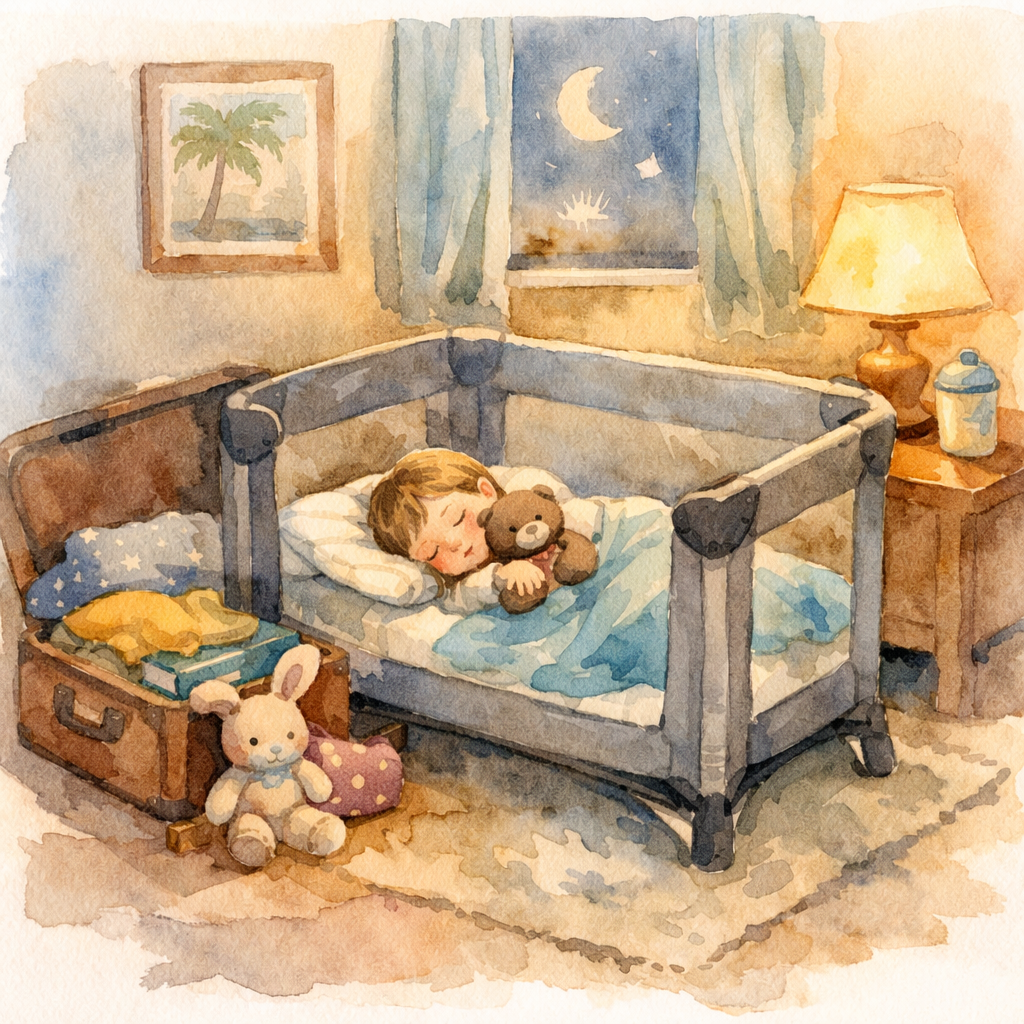
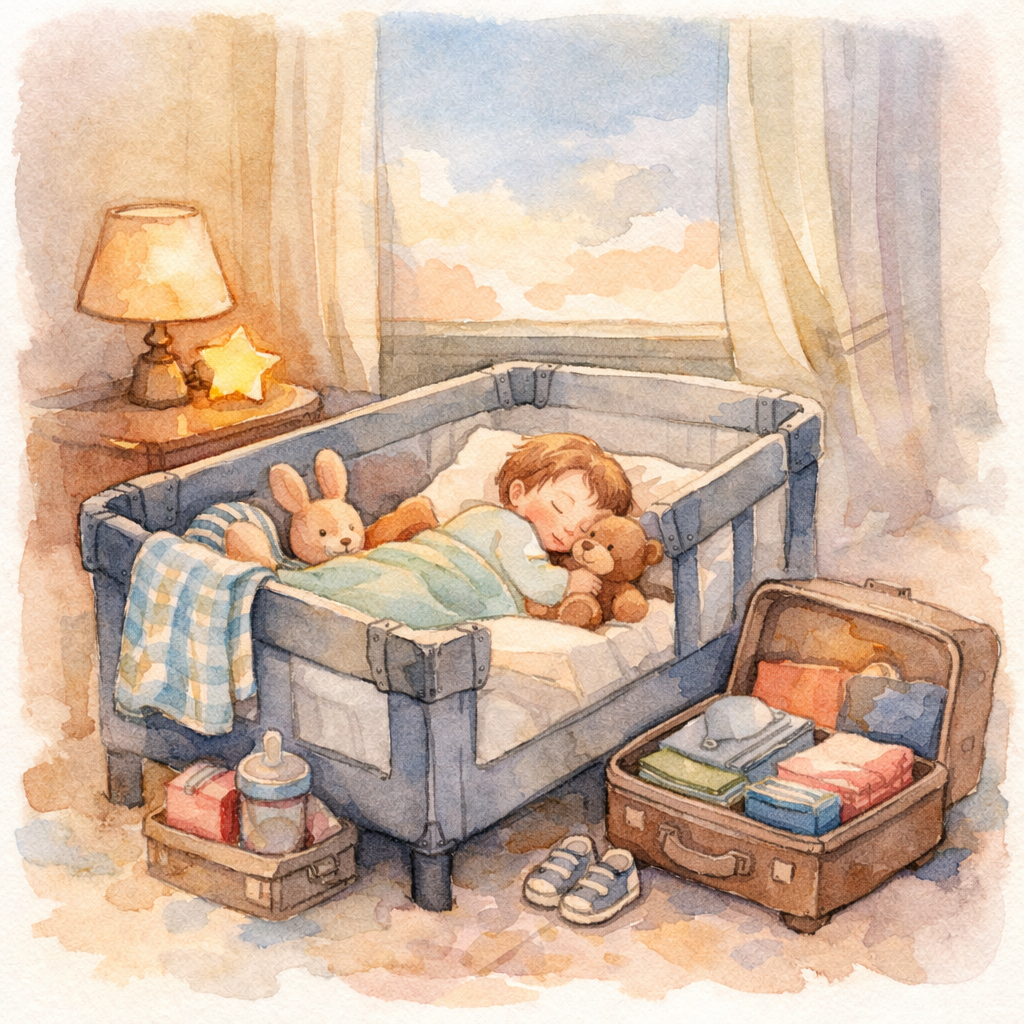
Cover image for: Traveling with toddlers: How do I keep their sleep routine on track?
Traveling with toddlers: How do I keep their sleep routine on track?
Travel doesn’t have to wreck your child’s sleep. Learn how to maintain your toddler’s nap and bedtime routine on vacation with simple strategies.
Read
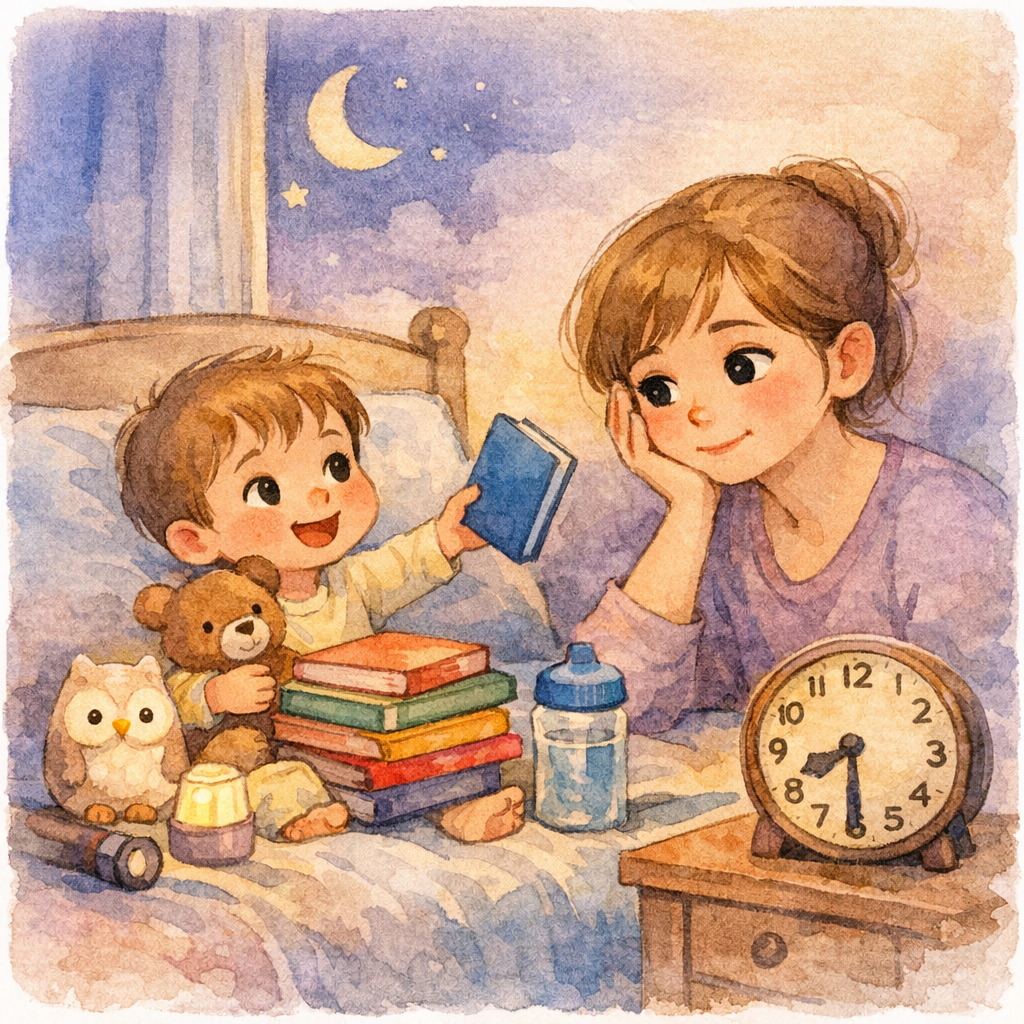
Cover image for: How do I handle bedtime stall tactics like ‘one more story’?
How do I handle bedtime stall tactics like ‘one more story’?
From ‘just one more sip of water’ to endless stories, toddlers are pros at stalling bedtime. Learn why they do it and how to set clear, loving limits.
Read